+44 7734369554 solutions@solarhw.com
Why use the LSP20+ Premium Commercial Solar Water Heating Panel?

Why use the LSP20+ Premium Commercial Solar Water Heating Panel?

35+ Year Life Expectancy

With a 35+ Year Life Expectancy the LSP20+ Premium Commercial Solar Water Heating Panel stands out because it combines long field experience, high technical certification, and proven performance across many demanding commercial sites worldwide. The case studies on the Hot Solar Water site show that this specific technology consistently delivers large energy savings, reliability, and fast payback in real hotels, hospitals, leisure centres, and industrial facilities.

Source: https://www.hotsolarwater.com/50-years-commercial-solar-water-heating-in-69-countries

Proven track record

Over 50 years of commercial solar water heating experience across 69 countries is documented on the site, with repeated use of the same panel technology in diverse climates and applications. This long history demonstrates that the LSP20+ type panels are not an experimental product but a mature, repeatedly selected solution for vital hot water loads in all applications.

Certified high performance

The panels are manufactured to the highest specification and holding key certifications such as MCS and Solar Keymark, which are widely recognised quality and performance benchmarks in the solar thermal industry. These certifications indicate independently verified efficiency, durability, and safety, giving specifiers confidence that output and lifespan will match or exceed design expectations.

Robust design and materials

The panels use high‑grade aluminium from a leading European supplier and are built for long service life in harsh commercial environments. Case study installations in coastal, high‑solar, and high‑demand locations underline that the panels withstand corrosion, thermal stress, and continuous operation better than lower‑grade alternatives.
Real-world energy and cost savings

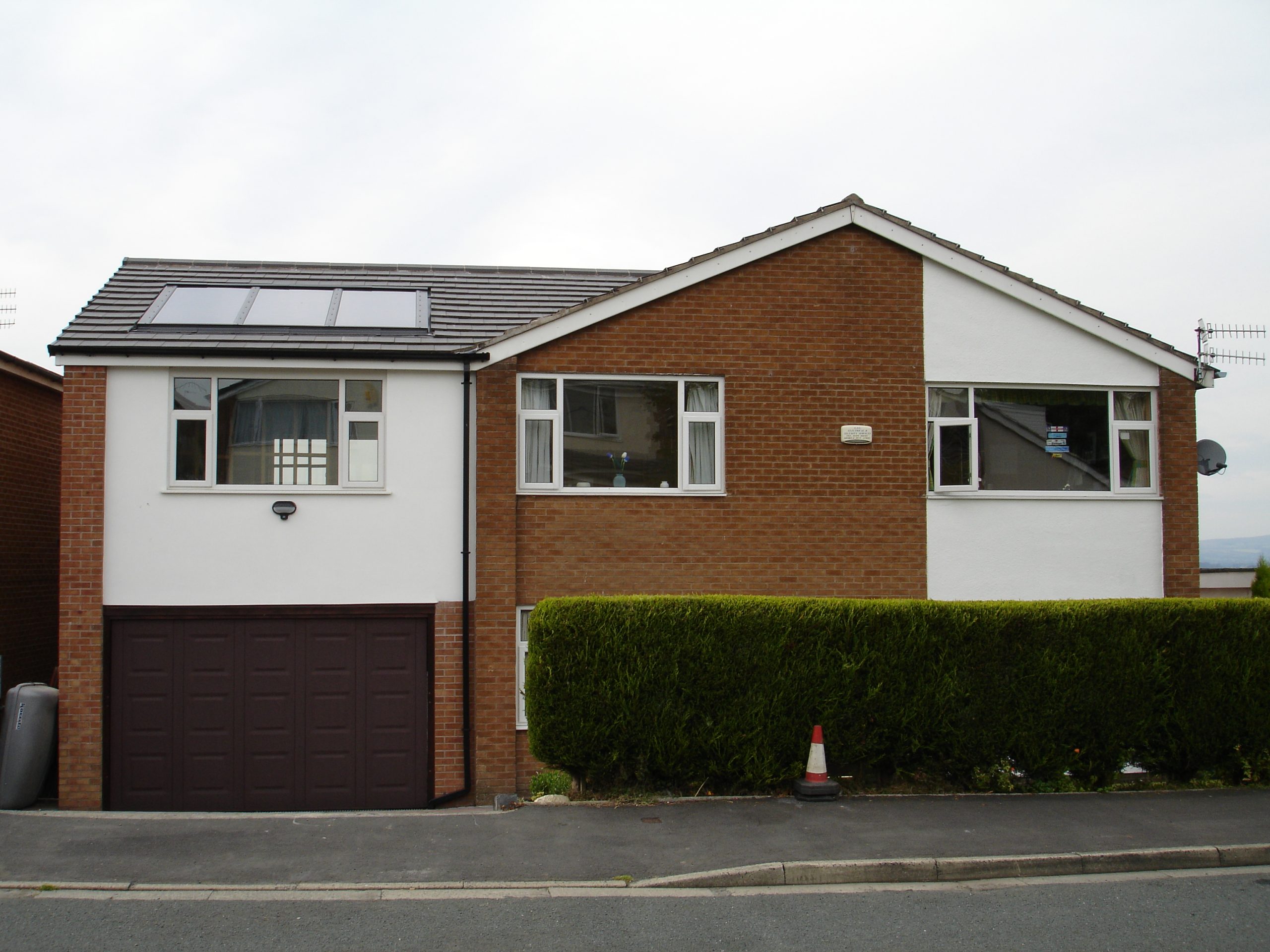
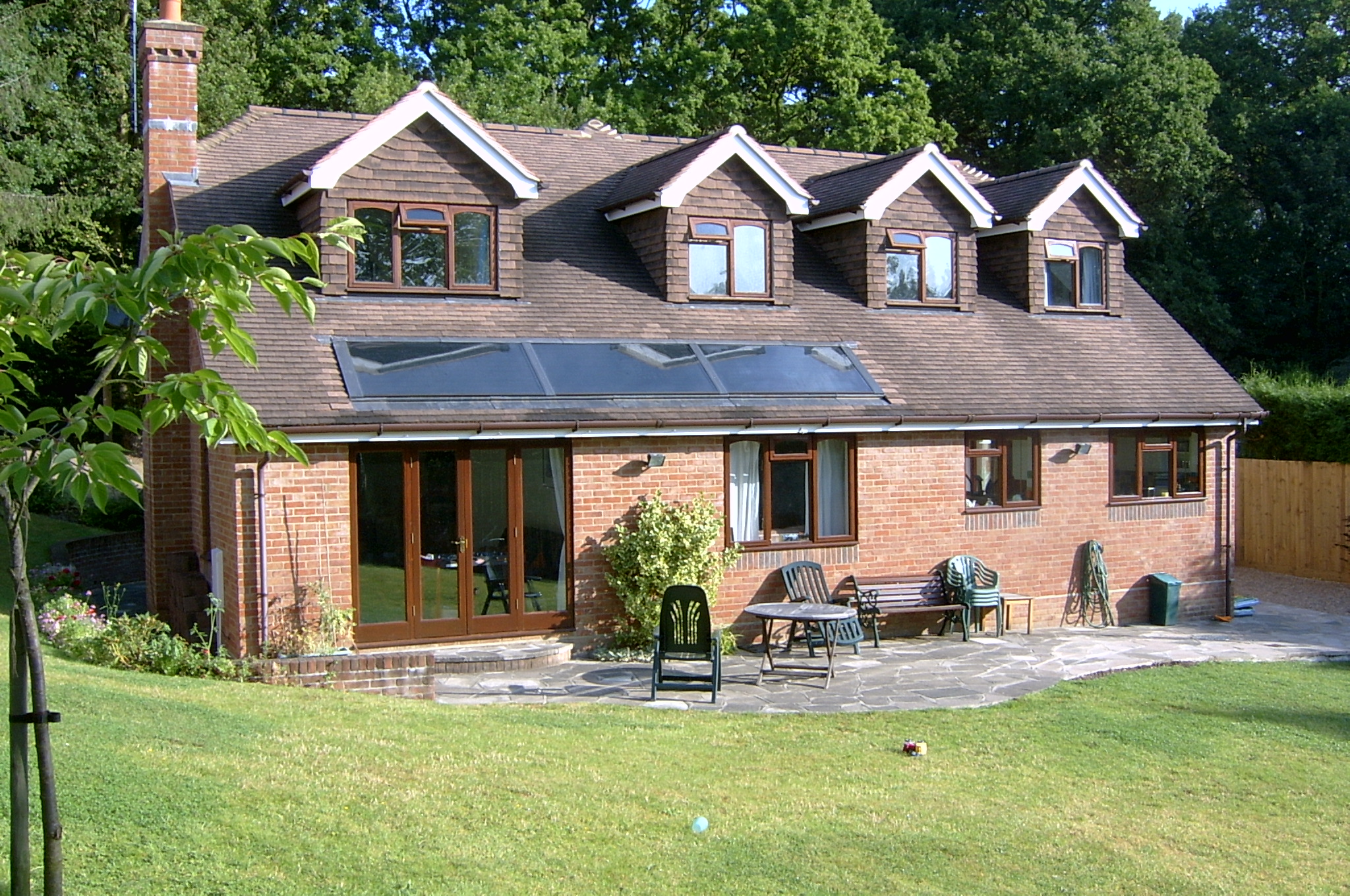
Case studies show large reductions in fuel or electricity consumption for hot water when LSP20+ panels are installed on hotels, sports centres, and similar sites, often covering the majority of daily hot water demand. These projects report meaningful bill savings and attractive payback periods, confirming that system performance on paper translates into real operational savings.

Scalable for commercial projects

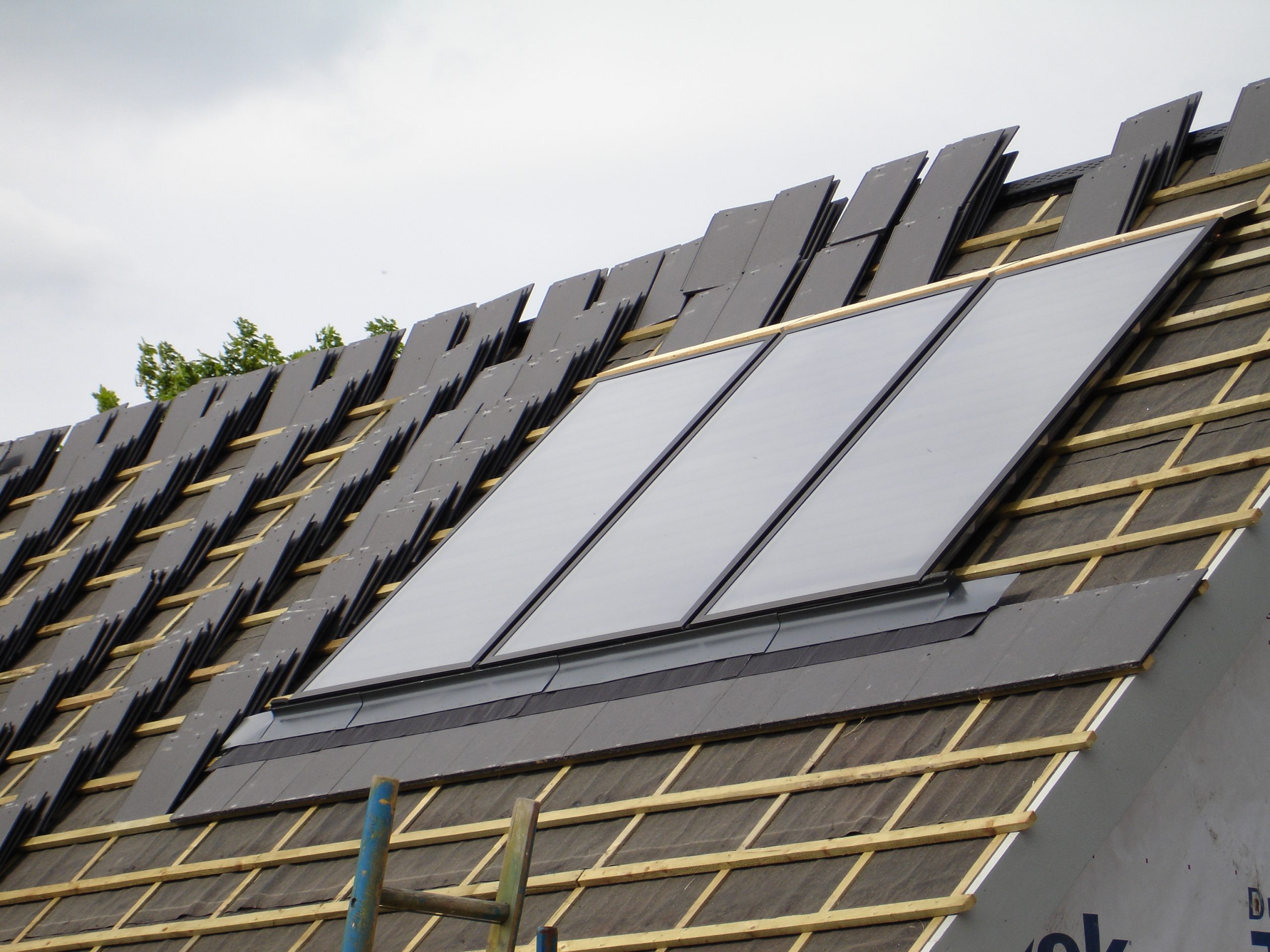
The reference projects demonstrate the use of multiple LSP20+ Premium panels in arrays sized to serve anything from small commercial buildings to large resorts and institutional facilities. This scalability, together with a long list of successful large systems, justifies the panel as the best solution when reliability, bankable performance, and long‑term value are critical for commercial solar water heating.

Reference information

https://www.hotsolarwater.com/50-years-commercial-solar-water-heating-in-69-countries
https://www.sciencedirect.com/science/article/abs/pii/S2451904921001438
https://onlinelibrary.wiley.com/doi/full/10.1002/ente.202300191
https://www.wbdg.org/resources/solar-water-heating
https://en.wikipedia.org/wiki/Solar_water_heating
https://www.hotsolarwater.com
https://www.hotsolarwater.com/category/hot-solar-water
https://www.algarvesolarpoolheating.com/wp-content/uploads/2024/08/LSP20_Premium_Commercial_Panel.pdf
https://www.energy.gov/energysaver/solar-water-heaters
https://hotsolarwateralgarve.com/lsp20-solar-thermal-panels-portugal

+44 7734369554

solutions@solarhw.com

Copyright © 2026 Ecological Spirit. All Rights Reserved.
Solar Hot Water Compliments Swimming Pools

Solar Hot Water Compliments Swimming Pools

Reducing costs 

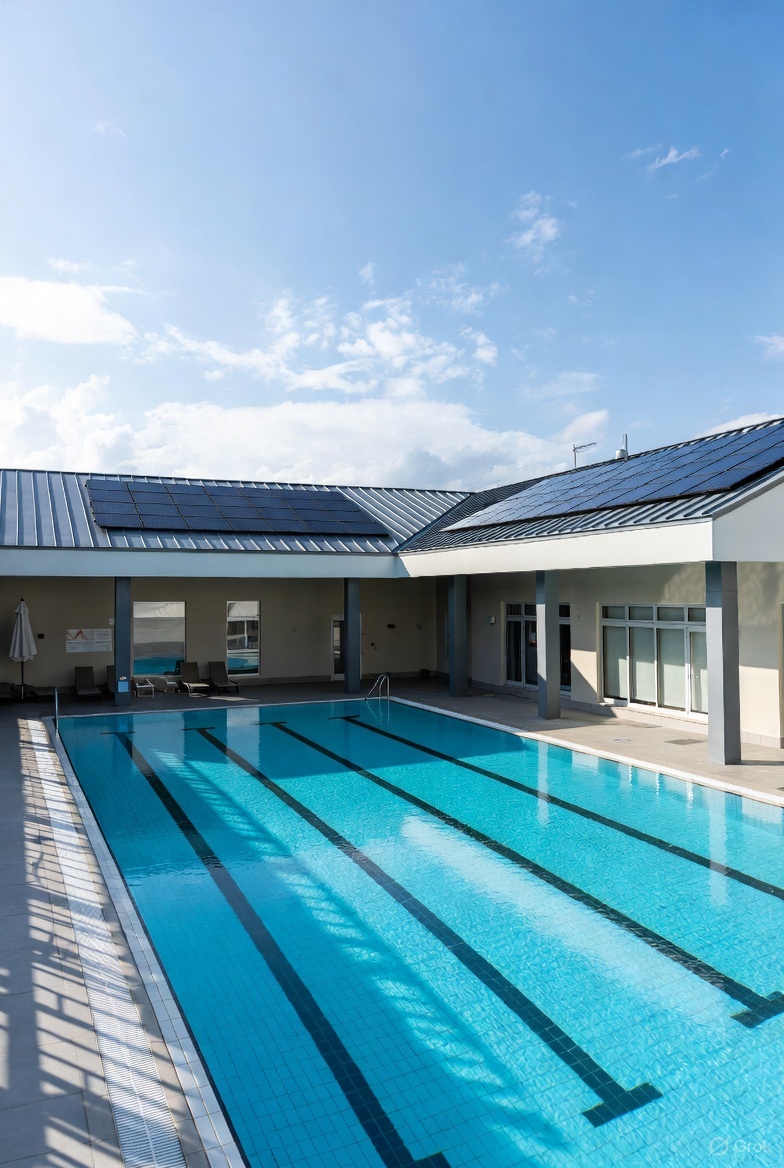
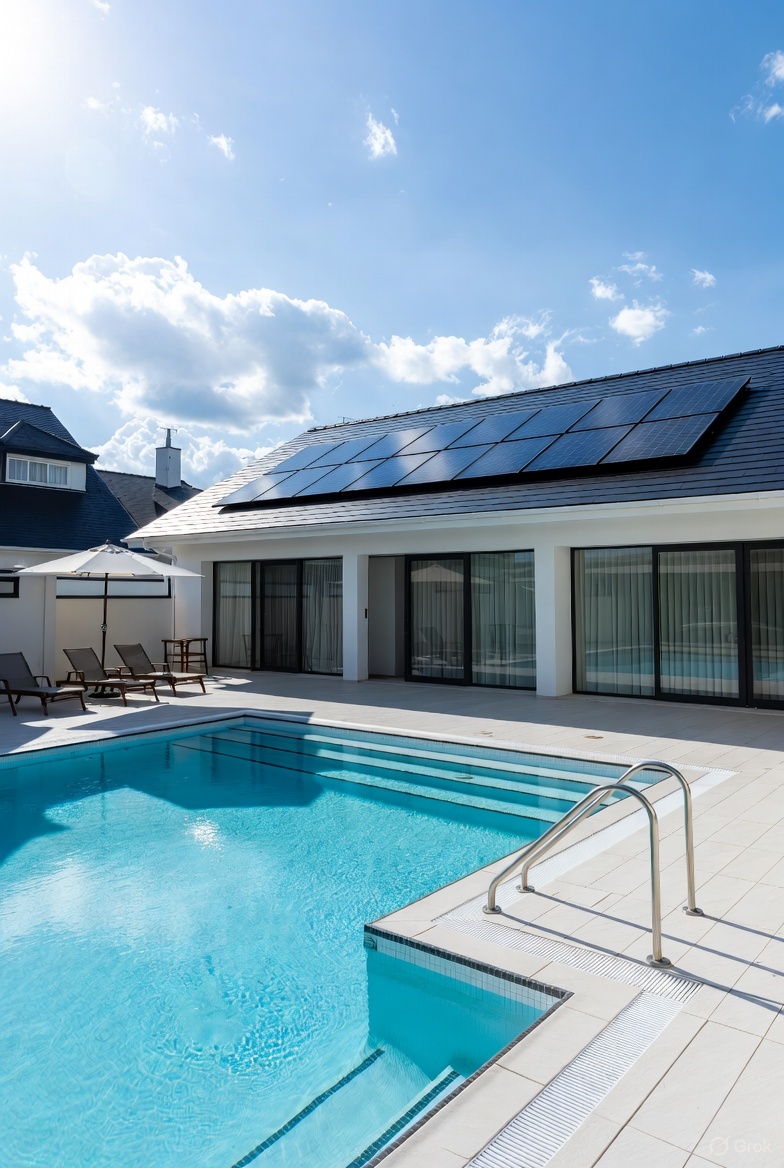
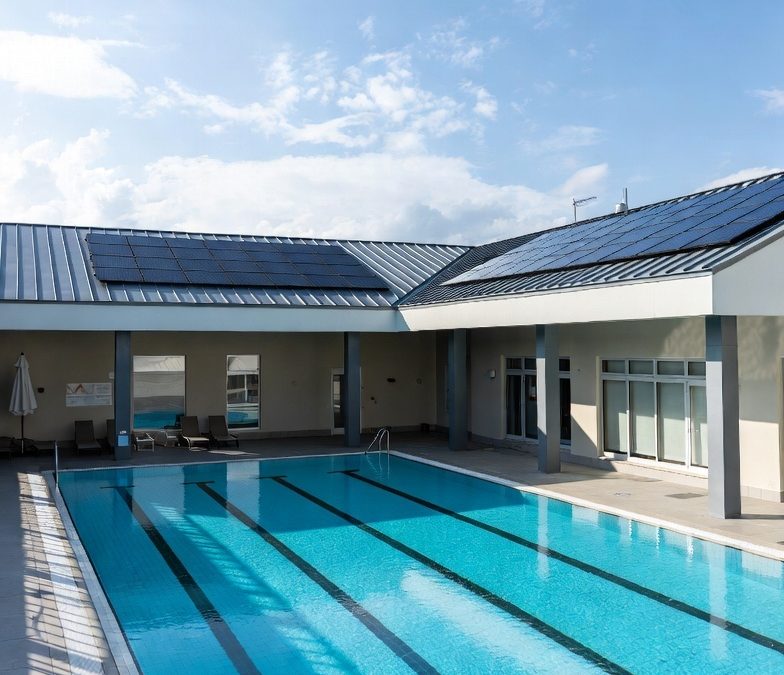
Using solar hot water to heat a pool, especially in the south of England, offers low running costs, reduced environmental impact, and a good match between sunny months and typical pool use.


It is particularly attractive where a south‑facing roof or ground area is available and the pool is mainly used from late spring to early autumn.

Cost and running savings

Solar pool heating uses free energy from the sun, so once installed, operating costs are very low compared with gas, oil, or direct electric heaters. Even for outdoor pools, solar thermal can supply a large share—often most—of the heat needed in the main swimming season, sharply reducing energy bills.

Environmental benefits

Solar thermal systems produce hot water without on‑site carbon emissions, reducing the carbon footprint of running a heated pool.


Replacing or reducing fossil‑fuel pool heating with solar has the added benefit of cutting local air pollution and supports wider UK decarbonisation goals.

Suitable Climate

Southern England gets more solar radiation than most of the UK, so solar pool systems can be effective from roughly April to September, when pools are typically used.

This seasonal match means the system is working hardest when demand is highest, helping raise pool temperatures to comfortable levels and extend the swimming season.

Quiet & Reliable

Well‑designed solar pool systems are relatively simple, need only occasional checks, and typically require professional servicing infrequently compared with combustion boilers. 

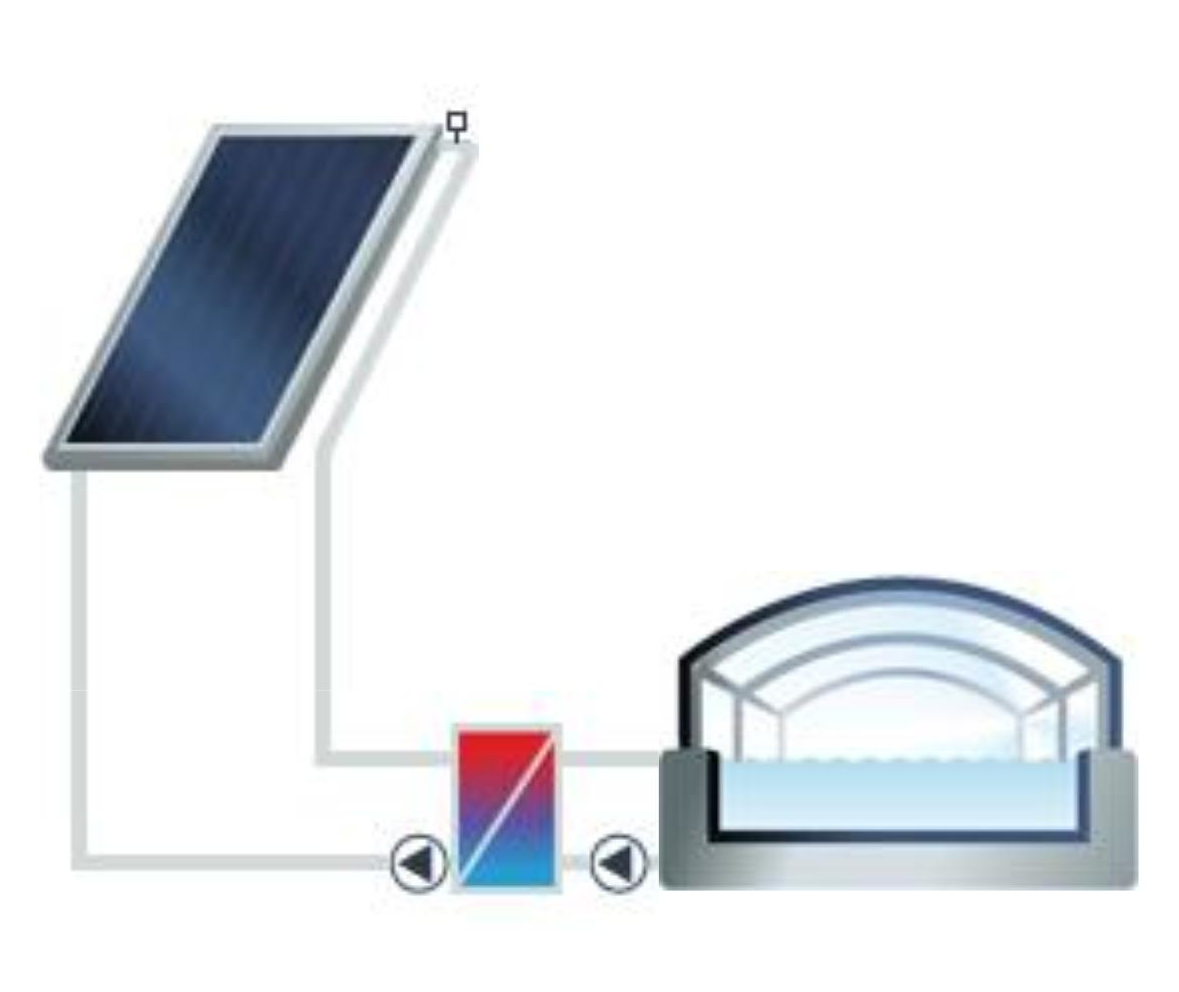
They also operate quietly, since there is usually just a small circulation pump rather than a noisy burner or compressor.

Integration

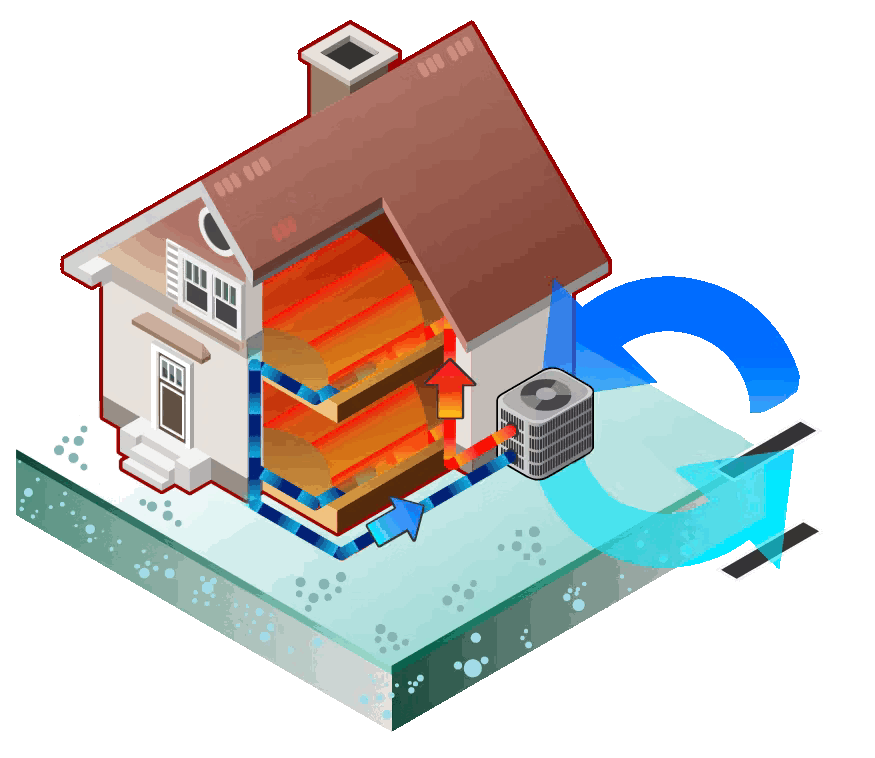
Solar pool heating can be combined with an existing boiler or heat pump so that solar provides most of the heat in good weather, while the backup source tops up on cooler or cloudy days. 

This hybrid approach can give more predictable temperatures while still capturing most of the cost and carbon savings from solar.

Solar Hot Water Cost Saving

Solar Hot Water Cost Saving

Advantages  

Solar hot water systems harness sunlight to heat water for domestic use, reducing reliance on grid electricity or gas. Here's a summary of their main advantages, drawn from how they operate (e.g., via collectors absorbing solar energy to heat a fluid that transfers warmth to stored water)

Cost Savings

Lower Energy Bills: They can cover 50-80% of a household's hot water needs (depending on location and system type), slashing utility costs by hundreds of dollars annually. For example, in sunny climates, payback periods are often 5-10 years.
Minimal Operating Costs: After installation, they require little to no electricity or fuel, unlike traditional heaters.

Environmental Impact

Reduced Carbon Emissions: Generates zero direct emissions during operation, cutting CO2 output by up to 1-2 tons per year per household compared to electric or gas systems.
Renewable Energy Source: Uses free, abundant sunlight, helping combat climate change without depleting fossil fuels.

Energy Efficiency

High Efficiency: Flat-plate or evacuated tube collectors convert 50-70% of solar radiation into usable heat, far outperforming photovoltaic panels for hot water (which are better for electricity).

Long-Term Durability

Quality SHW systems last 20-30 years with warranties often covering 10+ years on key components like collectors and tanks. Extended Lifespan: 

The low maintenance cost of SHW systems makes them an integral part of a sustainable home heating solution.

Low Maintenance

SHW Systems require simple upkeep. They requires occasional cleaning of panels and checks for leaks/antifreeze (in closed-loop systems); no moving parts mean fewer failures than conventional heaters.

Energy Independence

With ever increasing energy bills and uncertainty in energy supplied solar hot water provides more independency from grid systems giving extra security in uncertain times.

Solar Hot Water Sustainable Advantage

Solar Hot Water Sustainable Advantage

Heat Energy 

Below is a comparison between solar hot water (SHW) panels and solar photovoltaic (PV) panels, to highlight practical advantages of SHW, focusing on its superior thermal efficiency for heat delivery.

OFGEM

According to OFGEM UK-wide, around half of all final energy use is for heat (mainly space and water heating), but only a small share of that heat currently comes from electricity; most is from gas or other fuels, so “electric energy demand for heating vs other electrical uses by season” is only large in homes that already have electric heating or heat pumps. 

In 2024 only about 2% of domestic electricity was used by heat pumps, with the majority of domestic heat still provided by gas or other non‑electric heating.

Seasonal Demand

In winter, heating demand is largely met by gas, this dominates total energy use. Electrical demand is rising but is still mostly non‑heating loads. In high summer, energy used for space heating falls practically to zero, so almost all electrical use is for non‑heating purposes such as appliances, cooling/ventilation, and services. Spring and autumn sit between these extremes, with some heating on cooler days but far below winter levels.

Solar Hot Water Excels...

In terms of heat production, SHW excels in direct thermal applications like hot water and pool heating, while PV is better for electricity generation (e.g., domestic hot water, space heating, or pools).

Environment

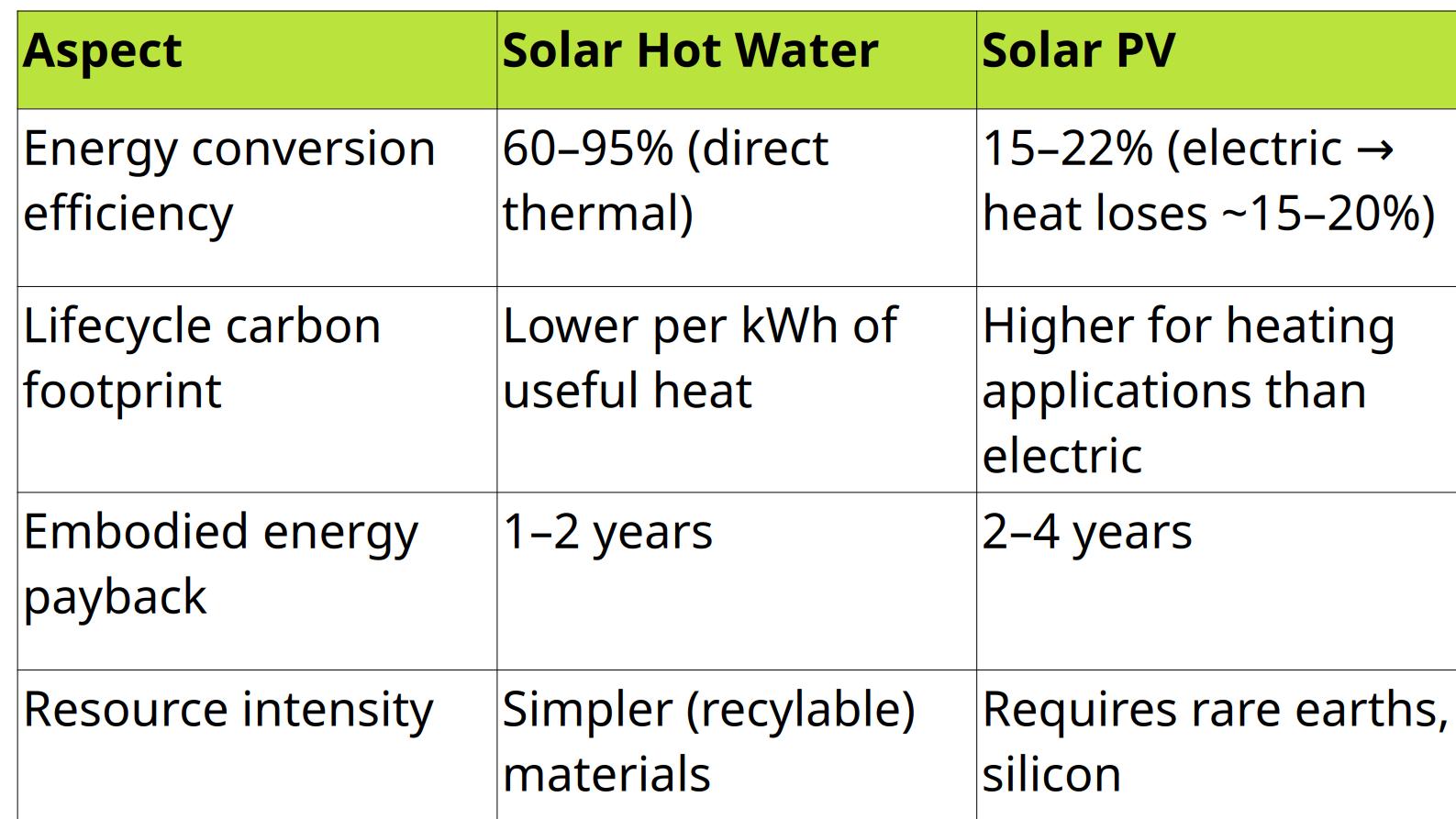
SHW panels deliver 60–95% thermal efficiency directly, minimising conversion losses that plague PV (15–22% electricity generation, dropping to ~10–15% for heating). This potentially leads to a lower carbon footprint per kWh of heat, with payback times of 1–2 years versus 2–4 for PV in heating roles.

SHW's simpler materials (e.g., glass, copper) reduce mining impacts compared to PV's silicon and rare earths. Globally, SHW displaced ~560 GWth of fossil heat by end-2023, avoiding millions of tons of CO2 (en.wikipedia.org).

Advantage

For heating applications SHW is thus greener, especially for high-demand scenarios compared to PV. PV however suits all-electric homes with COP>3.0 heat pumps, but SHW avoids grid losses.