
Heat Energy
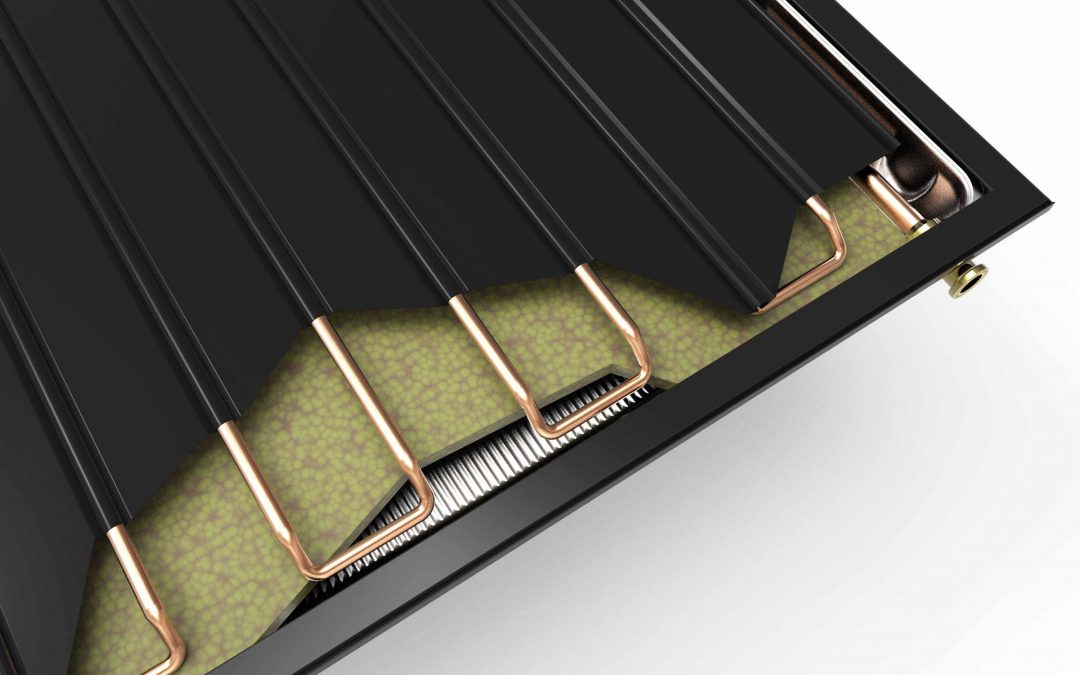
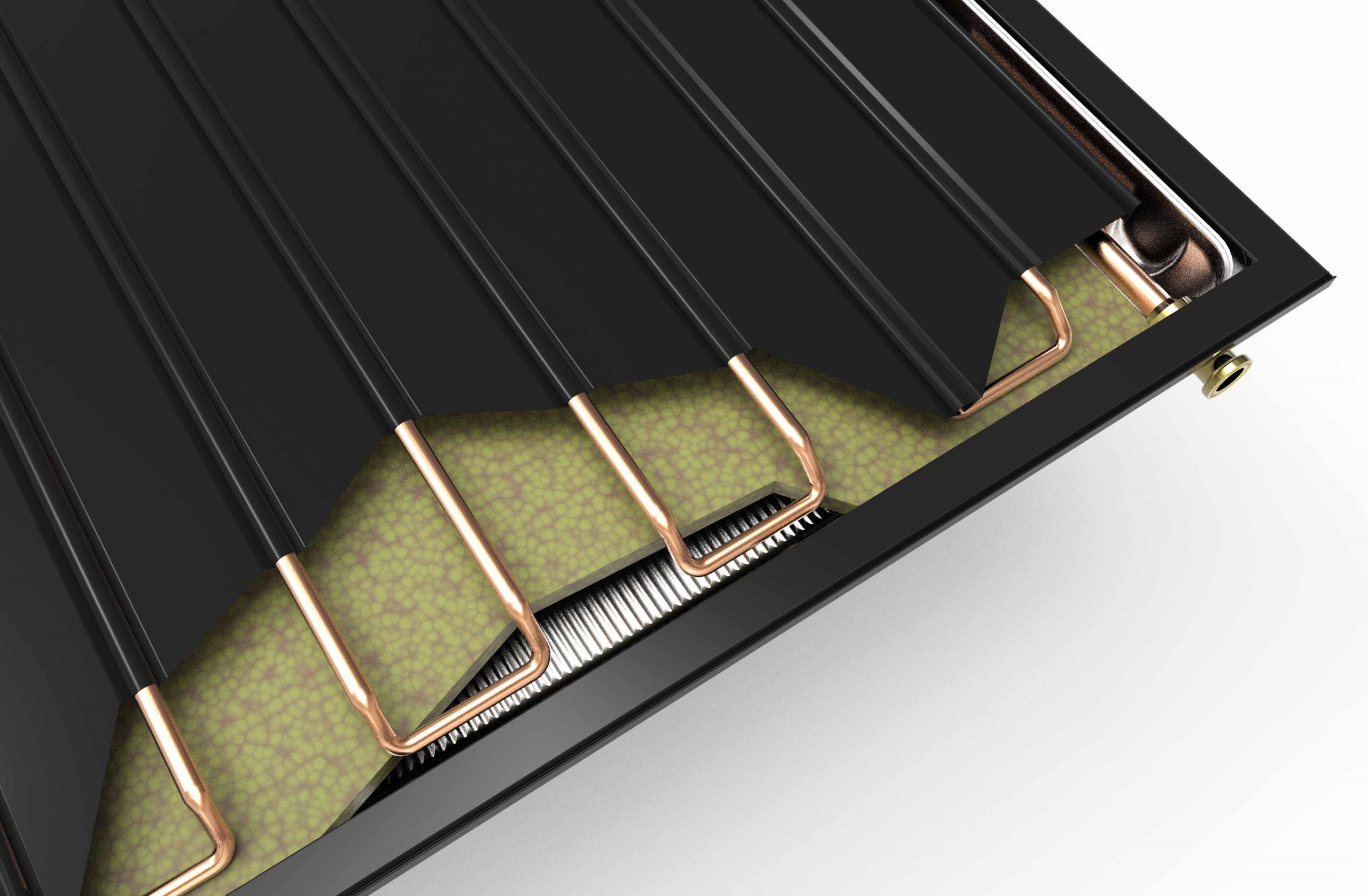
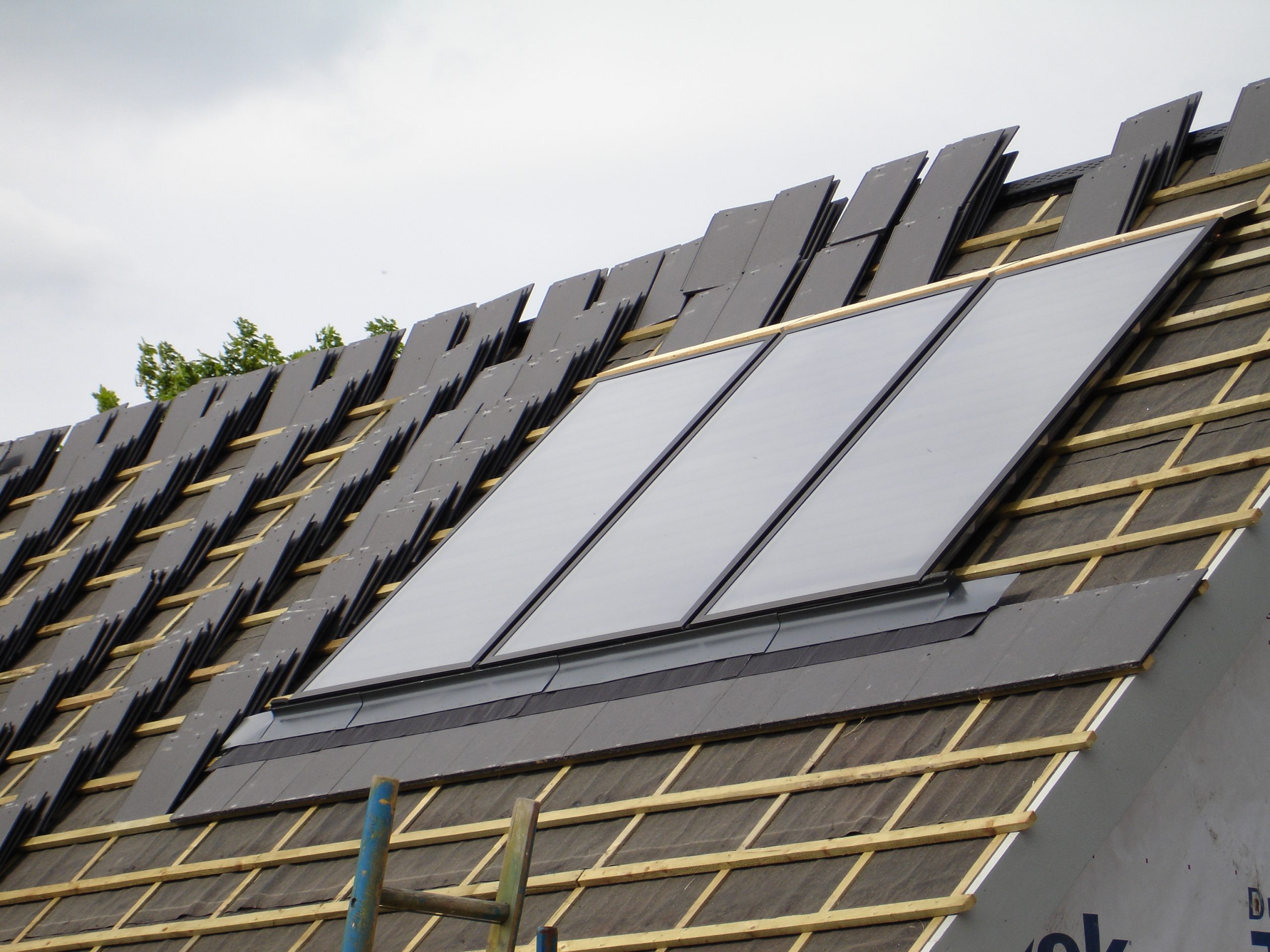
Below is a comparison between solar hot water (SHW) panels and solar photovoltaic (PV) panels, to highlight practical advantages of SHW, focusing on its superior thermal efficiency for heat delivery.
OFGEM
According to OFGEM UK-wide, around half of all final energy use is for heat (mainly space and water heating), but only a small share of that heat currently comes from electricity; most is from gas or other fuels, so “electric energy demand for heating vs other electrical uses by season” is only large in homes that already have electric heating or heat pumps.
In 2024 only about 2% of domestic electricity was used by heat pumps, with the majority of domestic heat still provided by gas or other non‑electric heating.

Seasonal Demand
In winter, heating demand is largely met by gas, this dominates total energy use. Electrical demand is rising but is still mostly non‑heating loads. In high summer, energy used for space heating falls practically to zero, so almost all electrical use is for non‑heating purposes such as appliances, cooling/ventilation, and services. Spring and autumn sit between these extremes, with some heating on cooler days but far below winter levels.
Solar Hot Water Excels...
In terms of heat production, SHW excels in direct thermal applications like hot water and pool heating, while PV is better for electricity generation (e.g., domestic hot water, space heating, or pools).

Environment
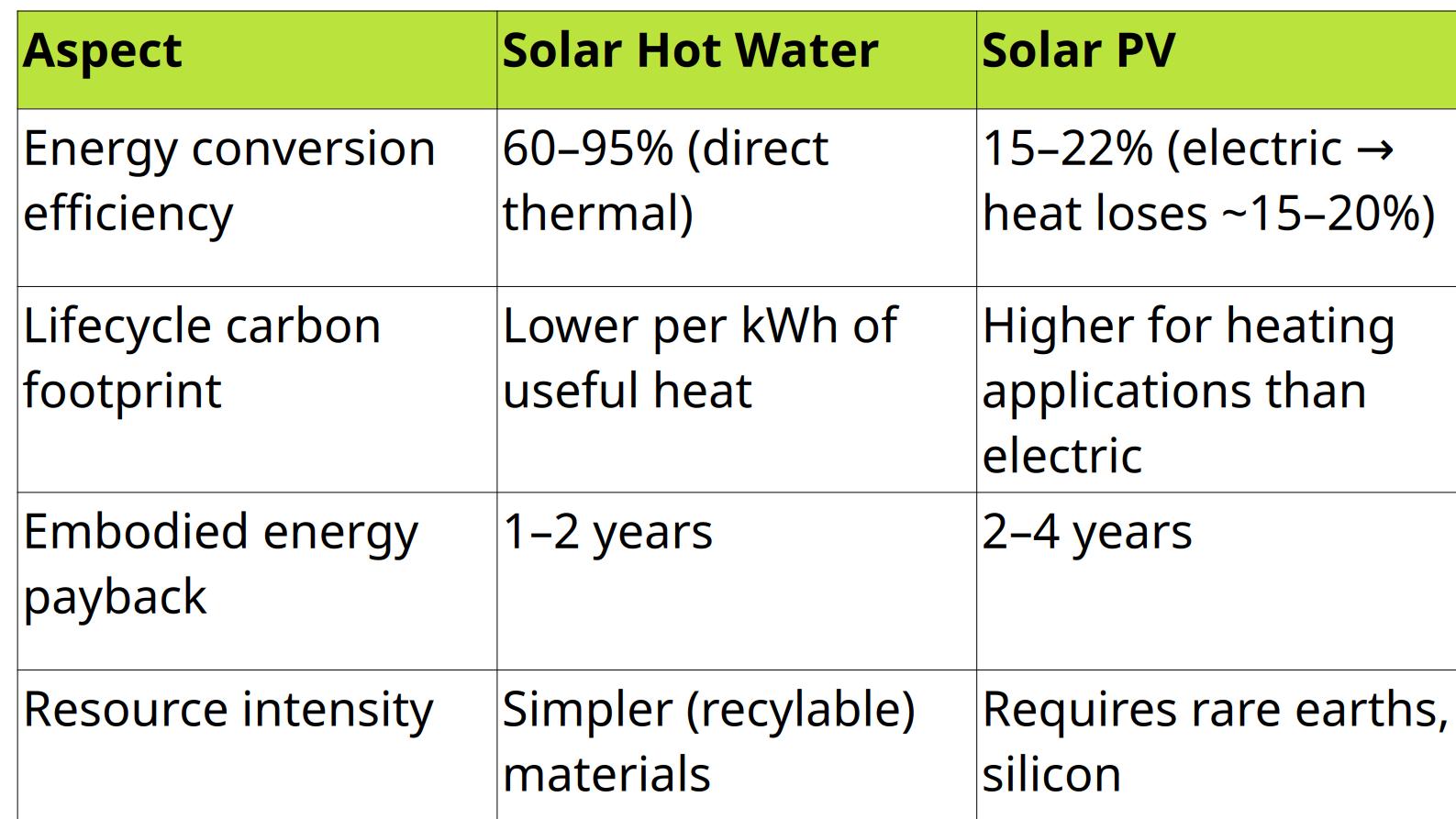
SHW panels deliver 60–95% thermal efficiency directly, minimising conversion losses that plague PV (15–22% electricity generation, dropping to ~10–15% for heating). This potentially leads to a lower carbon footprint per kWh of heat, with payback times of 1–2 years versus 2–4 for PV in heating roles.
SHW's simpler materials (e.g., glass, copper) reduce mining impacts compared to PV's silicon and rare earths. Globally, SHW displaced ~560 GWth of fossil heat by end-2023, avoiding millions of tons of CO2 (en.wikipedia.org).
Advantage
For heating applications SHW is thus greener, especially for high-demand scenarios compared to PV. PV however suits all-electric homes with COP>3.0 heat pumps, but SHW avoids grid losses.