
Reducing costs
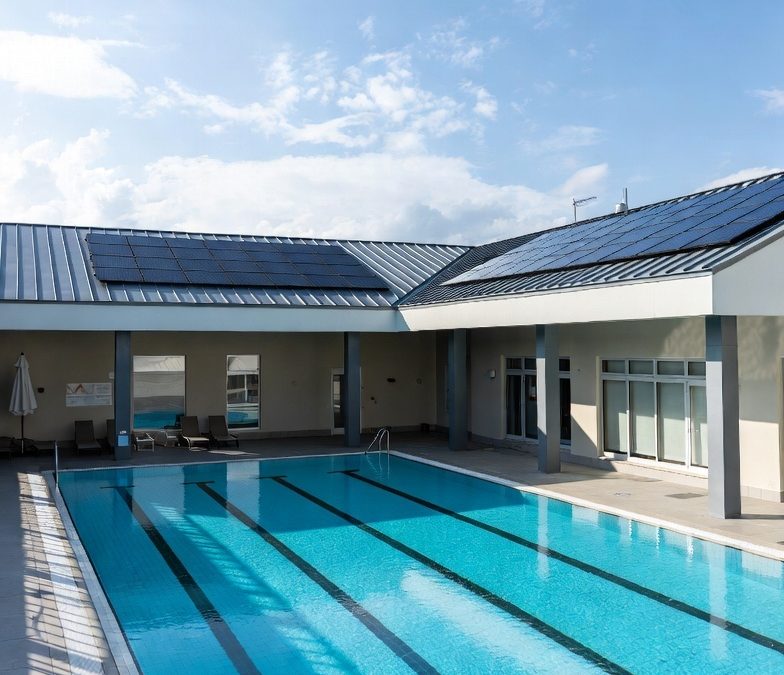
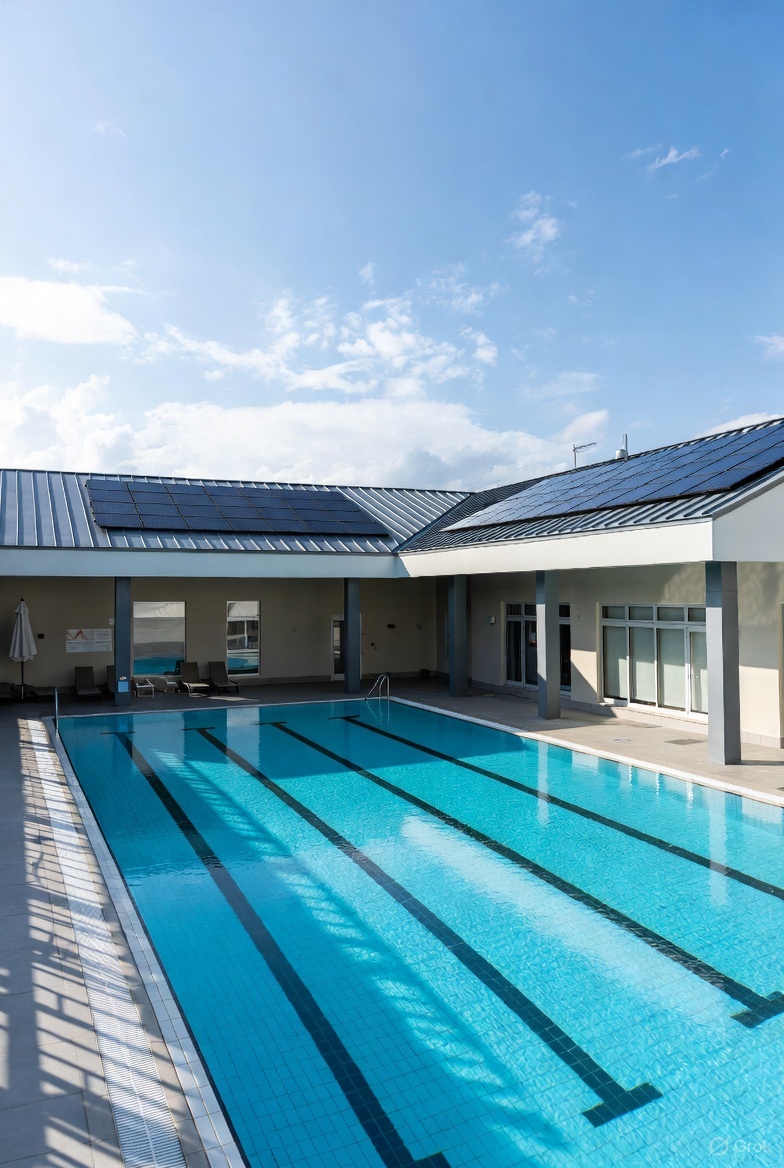
Using solar hot water to heat a pool, especially in the south of England, offers low running costs, reduced environmental impact, and a good match between sunny months and typical pool use.
It is particularly attractive where a south‑facing roof or ground area is available and the pool is mainly used from late spring to early autumn.
Cost and running savings
Solar pool heating uses free energy from the sun, so once installed, operating costs are very low compared with gas, oil, or direct electric heaters. Even for outdoor pools, solar thermal can supply a large share—often most—of the heat needed in the main swimming season, sharply reducing energy bills.
Environmental benefits
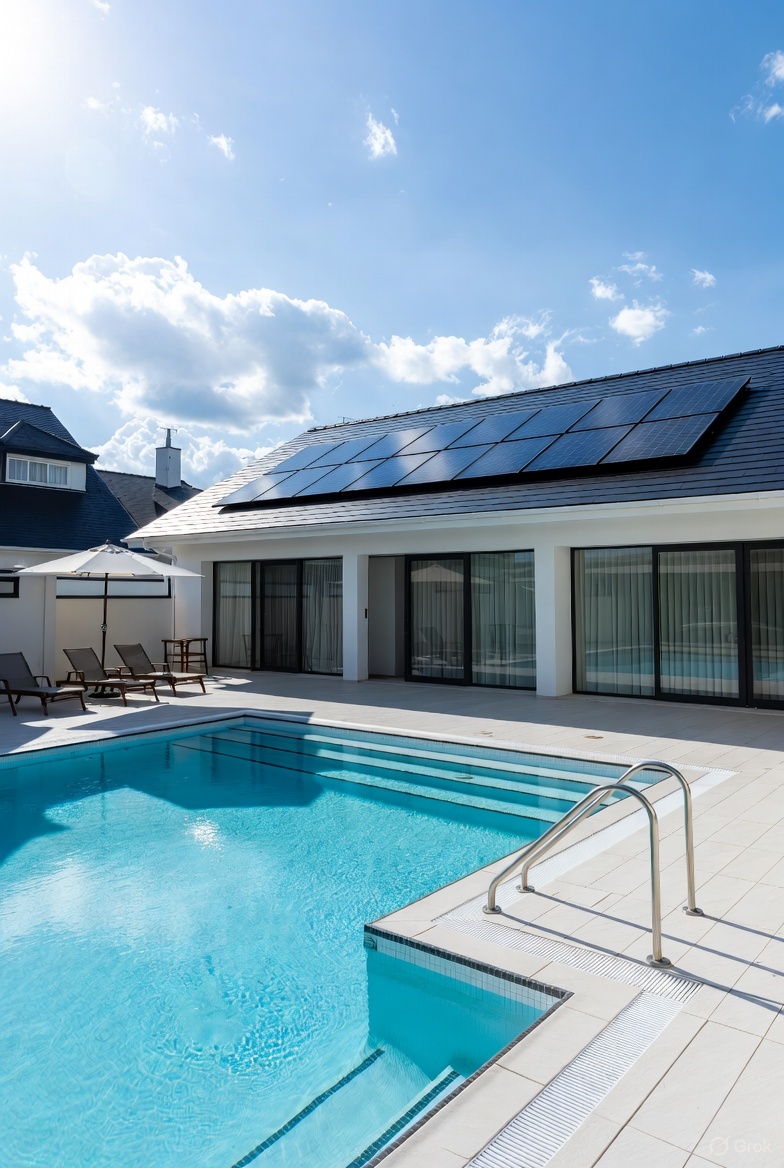
Solar thermal systems produce hot water without on‑site carbon emissions, reducing the carbon footprint of running a heated pool.
Replacing or reducing fossil‑fuel pool heating with solar has the added benefit of cutting local air pollution and supports wider UK decarbonisation goals.
Suitable Climate
Southern England gets more solar radiation than most of the UK, so solar pool systems can be effective from roughly April to September, when pools are typically used.
This seasonal match means the system is working hardest when demand is highest, helping raise pool temperatures to comfortable levels and extend the swimming season.
Quiet & Reliable
Well‑designed solar pool systems are relatively simple, need only occasional checks, and typically require professional servicing infrequently compared with combustion boilers.
They also operate quietly, since there is usually just a small circulation pump rather than a noisy burner or compressor.
Integration
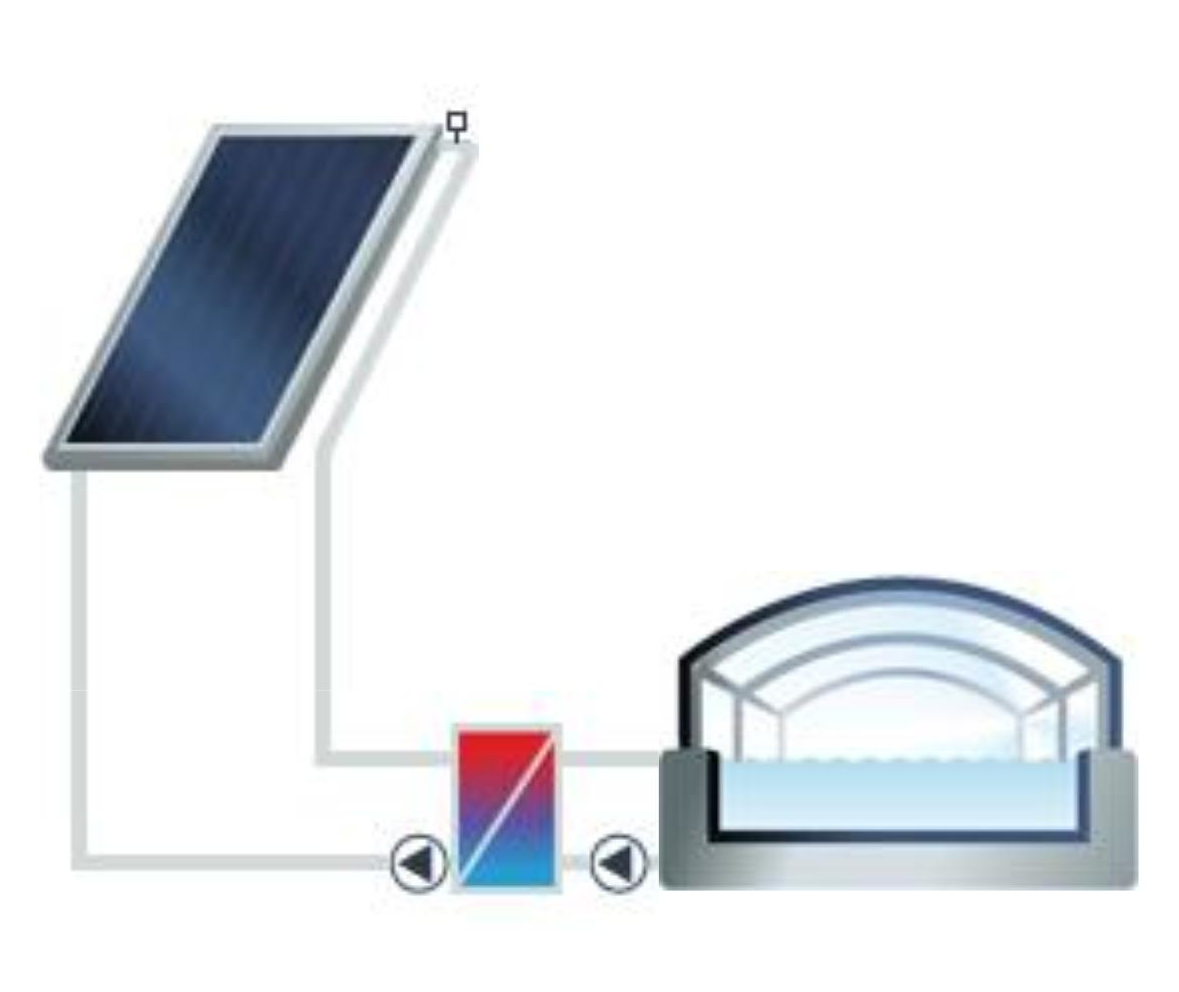
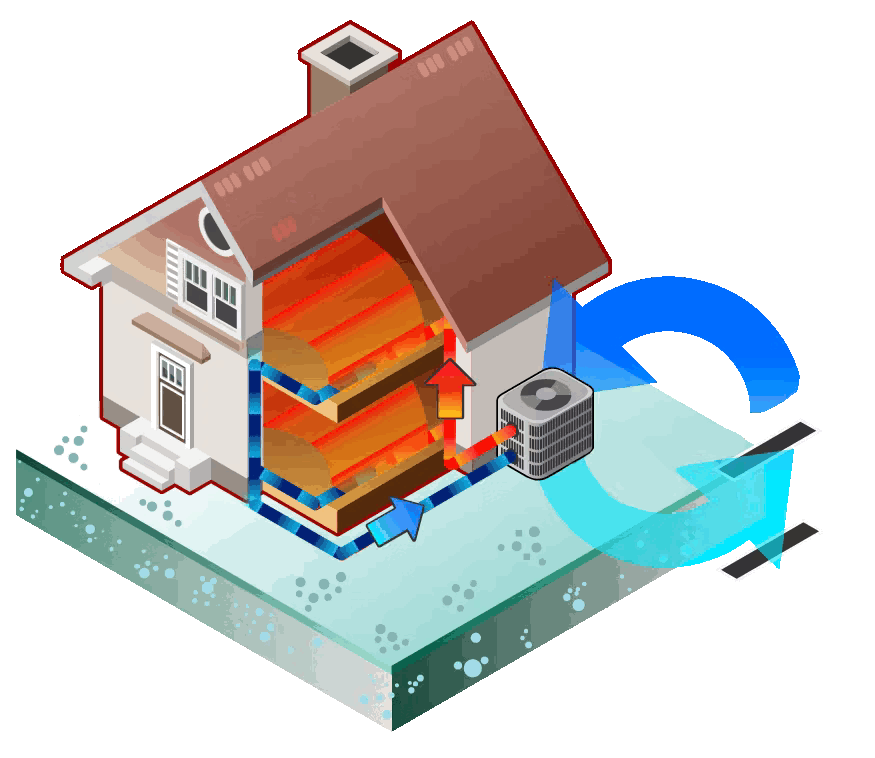
Solar pool heating can be combined with an existing boiler or heat pump so that solar provides most of the heat in good weather, while the backup source tops up on cooler or cloudy days.
This hybrid approach can give more predictable temperatures while still capturing most of the cost and carbon savings from solar.